

If you snore with your mouth closed, your nose may be the main troublemaker. Nasal snoring happens when air struggles to move smoothly through narrowed or blocked nasal passages, which creates vibration and noise while you sleep. Annoying? Very. Fixable? Often, yes. The key is knowing whether the issue is temporary congestion, allergies, sleep position, or a more stubborn structural problem like a deviated septum. Below, you’ll get the straight answer on what causes snoring through your nose, how to stop it, and when it’s time to get medical advice.
Why nasal snoring happens
You can absolutely snore through your nose. In fact, many people do. The sound comes from turbulent airflow in the nasal passages or the area just behind them. When those spaces are narrowed, the air has to push harder through a smaller gap, and that can create a whistling, buzzing, grunting, or congested snoring sound.
This can happen if your nose is blocked by a cold, allergies, swelling, or irritation. It can also happen if the shape of the nasal airway is naturally tighter, for example with a deviated septum, enlarged turbinates, or nostrils that collapse a bit when you breathe in. Some people notice the sound most on the exhale, but the core issue is still the same: airflow is not moving freely through the nose during sleep.
A closed mouth does not always mean perfect breathing. You can still snore through your nose with your mouth shut, and some people switch between nasal and mouth breathing during the night without realising it.
How to tell if you are snoring through your nose
If you are trying to work out whether you snore through your nose or mouth, start with the basics: the sound, how you sleep, and how you feel when you wake up. This quick comparison helps.
| Clue | More likely nose snoring | More likely mouth snoring |
|---|---|---|
| Mouth position | Mouth mostly closed | Mouth falls open |
| Sound | Whistling, snorting, congested, nasal | Deeper, throatier, louder |
| Morning symptoms | Blocked nose, pressure, stuffiness | Dry mouth, dry throat |
| Common trigger | Cold, allergy, narrow nasal airway | Back sleeping, jaw drop, mouth breathing |
If your snoring gets worse when you are bunged up, if you struggle to breathe through your nose when awake, or if your partner says the sound is more of a snort than a rumble, nasal snoring is a strong possibility. If you wake up with a dry mouth every morning, you may still be switching into mouth breathing for part of the night.
What causes snoring through your nose
Temporary congestion
The most common cause is simple blockage. Colds, flu, sinus irritation, or a dry bedroom can swell the lining of the nose and reduce airflow. This is why some people only snore through their nose when they are ill or during certain seasons.
Allergies and irritation
Allergies to dust, pollen, pets, or mould can keep the nose inflamed night after night. Smoking, strong scents, and poor air quality can do the same. If your snoring comes with sneezing, itchiness, or alternating stuffiness, irritation is likely part of the puzzle.
Structural narrowing
Sometimes the nose is not blocked by mucus at all. The passage itself may just be narrow. A deviated septum, nasal polyps, enlarged turbinates, or nostrils that collapse inward can all make nasal breathing noisy. If the problem is there most nights, and not just when you have a cold, structure matters more than congestion.
How to stop snoring through your nose
Quick fixes for tonight
If you need a fast, practical plan, start by improving nasal airflow before bed. These steps are simple, but they can make a real difference.
- Use a saline rinse or saline spray to clear the nose.
- Take a warm shower or use a humidifier if dry air makes congestion worse (aim for the ideal bedroom humidity).
- Sleep on your side rather than flat on your back.
- Avoid alcohol close to bedtime, as it relaxes tissues and can worsen snoring (more on alcohol and sleep quality).
- If needed, use nasal strips or a nasal dilator to gently open the airway.
If you use a decongestant spray, follow the label carefully. Overusing these sprays can cause rebound congestion, which is the exact opposite of what you want.
If you share a bed, practical tactics for sleeping with a snoring partner can help you both rest better.
Longer-term solutions
If you snore through your nose most nights, aim beyond quick relief. Treat the cause, not just the soundtrack. Manage allergies properly, reduce exposure to dust and smoke, consider a hypoallergenic pillow, and speak to a pharmacist or GP if symptoms keep coming back. If extra weight is contributing to overall airway narrowing, gradual weight loss may help reduce snoring too.
It also helps to make nasal breathing easier while you sleep. That means a bedroom that is not too dry, a sleep position that does not collapse the airway, and enough head and neck support to stay comfortable on your side. Small changes stack up.
What about mouth tape for nose breathing?
Some people use mouth tape or lip-seal strips to encourage nasal breathing. That can make sense only if you can already breathe comfortably through your nose. It is not a fix for a blocked nose. If your nasal airway is restricted, taping your mouth shut can feel awful and may be unsafe for some people. Skip it if you have significant congestion, frequent waking with gasping, heavy alcohol use before bed, or suspected sleep apnoea. If you are unsure, get medical advice first.
When to speak to a GP
Most nasal snoring is more annoying than dangerous, but not always. Book a GP appointment if you snore loudly most nights and home fixes are not helping, or if you often feel exhausted despite spending enough time in bed. Also get checked if someone notices pauses in your breathing, choking, gasping, or restless sleep. Those can be signs of sleep apnoea.
Persistent one-sided blockage, frequent sinus problems, or a nose that always feels obstructed may point to a structural issue that needs proper assessment. In that case, the best solution may be targeted treatment rather than endless trial and error.
Small sleep setup changes that can make a real difference
Your nose matters, but your sleep setup matters too. If you roll onto your back, bend your neck awkwardly, or use the wrong pillow height, snoring can get worse. Learn more about choosing the right pillow height to help keep your airway aligned.
That is where adjustable sleep products can help. Instead of forcing yourself onto a one-size-fits-all pillow, you can fine-tune height and feel to match how you actually sleep. At Cloudpillo, that personalised approach is the whole point: your sleep setup should adapt to you, not the other way around.
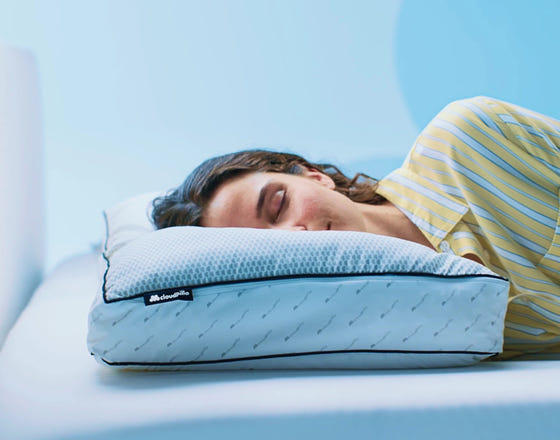
Pillows
Discover pillows that suit your body and preferences. Choose the adjustable pillow that suits you best.
View all pillowsFAQs about snoring through your nose
Is it normal to snore through your nose?
It is common, yes. It usually means airflow through the nose is partly restricted during sleep. The cause may be temporary, like a cold, or more persistent, like allergies or a deviated septum.
Why do I still snore with my mouth closed?
Because snoring does not have to come from an open mouth. If your nasal passages are narrow or blocked, air can still become noisy as it moves through the nose. Closed-mouth snoring often points to a nasal issue.
Do nose breathers snore?
Yes. Breathing through the nose is generally a good goal, but nose breathers can still snore if the nasal airway is congested, inflamed, or naturally narrow.
Can loud snoring through the nose be treated without surgery?
Often, yes. Many people improve with saline rinses, allergy control, nasal strips or dilators, side sleeping, and better bedtime habits. Surgery is usually considered only if there is a clear structural problem and simpler treatments have not helped.
What helps if I cannot breathe well through my nose at night?
Start with saline, steam, allergy management, and a cleaner sleep environment. If the problem keeps returning or you cannot breathe well through your nose even during the day, see a GP for a proper assessment.


