

If you wake up sneezing, stuffy or rubbing your eyes, your pillow might be making the night shift a bit too lively. Dust mites love warm, humid bedding, and pillows give them exactly what they want: skin flakes, moisture and a cosy place to settle. The good news is that you can reduce them. Fast.
You do not need gimmicks or panic-buying. The most effective fixes are practical: wash bedding properly, use a zipped allergen-barrier cover, keep bedroom humidity down and replace old pillows that have seen better days.
Why your pillow becomes a dust mite hotspot
Dust mites are microscopic relatives of spiders. You cannot see them with the naked eye, and they do not bite. The real issue is the proteins in their waste and body fragments, which can trigger allergy symptoms in sensitive people.
Pillows are a favourite hiding place because they stay warm, trap moisture from breathing and sweat, and collect dead skin cells over time. That is why exposure often feels worse at night or first thing in the morning. It is also why old pillows tend to cause more problems than newer, well-protected ones.
Signs your pillow may be making symptoms worse
You cannot look at a pillow and spot dust mites directly, so the clue is usually the pattern of your symptoms. A pillow is more likely to be involved if you feel worse in bed and better after getting up, cleaning or changing bedding.
- Sneezing or a blocked nose when you wake up
- Itchy, watery or red eyes in the morning
- Runny nose, postnasal drip or coughing at night
- Symptoms that flare after lying on an old pillow
- Asthma symptoms that worsen in the bedroom
These signs do not prove dust mites on their own, but they are a strong hint. If symptoms are frequent, severe or linked to asthma, it is smart to speak to a GP or allergy specialist.
How to get rid of dust mites in pillows
The goal is not perfection. It is lower exposure. That is what usually makes the difference.
| Action | Why it helps | How often |
|---|---|---|
| Wash your pillowcase and protector | Removes skin cells and allergen build-up on the surface | Weekly |
| Use a zipped dust mite pillow cover | Creates a barrier between you and the pillow filling | All the time |
| how to wash a pillow if the care label allows | Reduces build-up inside the pillow, not just on top | Every 2 to 3 months |
| Dry the pillow fully before using it again | Moisture helps mites thrive | After every wash |
| Keep bedroom humidity below 50% | Makes the room less mite-friendly | Daily |
| Replace worn or musty pillows | Older fillings hold more dust and are harder to clean well | When needed |
For pillowcases, protectors and bedding, wash weekly at 60°C if the care label allows. For detailed guidance on frequency, see how often should you wash your bedding. For the pillow itself, always follow the manufacturer’s instructions. Some synthetic pillows can be machine washed, while some memory foam or latex pillows cannot. If your pillow cannot be washed thoroughly, a proper allergen barrier becomes even more important. Not sure when to encase? See when to use a pillow protector.
Also clean the whole sleep zone. Mattress covers, duvets, throws and even body pillows can collect allergens. Dust mites rarely stay loyal to just one pillow.
The best pillow and cover for dust mite allergy
If you are shopping for a better setup, here is the straight answer: there is no magic dust mite proof pillow. The best option is a pillow that is comfortable for you, easy to care for and protected with a proper barrier cover.
Start with the cover, not the marketing
A standard pillowcase feels nice, but it is not the same as an allergen barrier. A true dust mite pillow cover, anti allergy pillow case or allergy pillow cover should fully enclose the pillow, ideally with a zip, so allergens have a harder time reaching the surface you sleep on. If you are choosing between closure types, compare zippered vs standard pillowcase.
What to look for in a dust mite pillow cover
- A fully enclosed design, not just an open-ended pillowcase
- Tightly woven fabric made for allergen control
- Washable materials you can clean regularly
- A fit that stays smooth and comfortable under your usual pillowcase
Do certain pillow materials help more?
Some materials can be easier to manage, but filling alone is not the deciding factor. Memory foam and latex pillows may be less hospitable than loose feather or down because they are denser, but they are not dust mite free. Bamboo covers are not a free pass either. Down, feather and buckwheat pillows can all collect dust and allergens if they are not protected and cleaned properly.
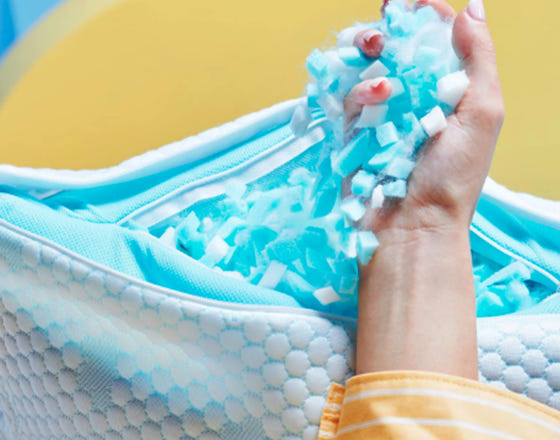
The better question is this: can you keep the pillow clean, dry and covered? That matters more than clever packaging. If comfort matters too, an adjustable pillow can be useful because you can fine-tune support without sacrificing easy day-to-day care.
When it is time to replace your pillow
Old pillows and dust mites often go hand in hand. The older the pillow, the more time it has had to collect dust, moisture and skin flakes. Replace your pillow sooner if it smells musty, stays damp after washing, has torn seams, feels lumpy or no longer supports you properly. A fresh pillow plus a good protector is often easier than trying to rescue one that is long past retirement. If you are shopping for a new one, explore our pillows.
Frequently asked questions
How do I know if my pillow has dust mites?
You usually cannot see them. The main clue is symptoms that are worse during sleep or when you wake up, especially with an older pillow or bedding that is not washed and protected regularly.
Can you get rid of dust mites in pillows?
You can reduce them a lot, but you will not make a home permanently mite-free. The most effective approach is washing, full drying, using a zipped allergen-barrier cover and keeping humidity lower.
Do dust mites live in old pillows?
Yes, older pillows are more likely to hold more dust, skin flakes and moisture. That makes them a better environment for mites and a bigger source of allergen build-up.
What is the best pillow for dust mite allergy?
Look for hypoallergenic pillows that suit your sleeping position, are easy to care for and work with a proper allergen barrier cover. Washability and a good encasement usually matter more than the filling name on the label.
Is my house dirty if it has dust mites?
No. Dust mites are common in almost every home, even clean ones. They are linked more to humidity, fabrics and normal skin shedding than to poor hygiene.
Does putting a pillow in the freezer help?
Not much. Freezing may affect some mites, but it does not remove the allergens already in the pillow. Washing and drying properly is a much better tactic.
A cleaner pillow will not solve every sleep problem, but it can remove one very common trigger. And honestly, better sleep starts with smart basics: the right support, the right care and no dust museum under your head.


