

If your partner snores and you cannot sleep, you need a two-part plan. Protect your own sleep tonight, then work together on the cause tomorrow. Earplugs, white noise and side sleeping can help quickly. If the snoring is loud, frequent or paired with gasping, breathing pauses or extreme daytime tiredness, it is time to speak to a GP.
This is one of those problems that sounds small until it is happening at 2:17am for the fifth night in a row. Then it becomes a sleep problem, a mood problem and sometimes a relationship problem too. The good news is that sleeping with a snorer does not have to mean endless elbowing, separate bedrooms forever or giving up and just being tired all the time. If you wake and can't settle again, can’t fall asleep—what to do offers quick, calming steps.
Why a snoring partner feels so exhausting
A snoring partner does not just make noise. They break your sleep into tiny fragments. You may not fully wake up every time, but your body still gets pulled out of deeper, more restorative sleep. That is why sleeping next to someone who snores can leave you groggy, short-tempered and weirdly emotional over very small things the next day.
This is also why partner snoring often creates so much tension. The snorer may sleep through the whole performance, while the person next to them lies awake doing midnight maths, counting how few hours are left before the alarm goes off. That mismatch can breed resentment fast. If you have ever thought, "my husband snores so loud that I can't sleep" or "my wife snores and I can't sleep", you are not being dramatic. Sleep loss changes patience, focus and mood.
It can even start affecting intimacy. Some couples avoid going to bed together, move to the sofa or sleep in different rooms without ever properly discussing it. That does not mean snoring is ruining your relationship by default, but it does mean the issue is real and worth tackling directly.
How to sleep with a snoring partner tonight
If you need relief right now, focus on reducing how much of the sound actually reaches you and how easily it wakes you up. You are not fixing the root cause yet. You are buying yourself a better night.
Start with earplugs you can actually wear all night
If you are searching for the best earplugs for a snoring partner, comfort matters as much as noise reduction. A high-rated pair is useless if it hurts after twenty minutes. Soft foam earplugs often block more sound, while softer silicone styles may feel easier for some side sleepers. The best ear plugs for a snoring spouse are usually the ones that create a proper seal, stay in place and do not leave your ears sore by morning.
Put them in properly, keep them clean and follow the product instructions. If you need to hear alarms, children or other important sounds during the night, test that first. Earplugs can help a lot with sleeping next to a snorer, but fit beats hype every time.
Add white noise or a noise machine
A white noise machine for a snoring partner can work surprisingly well because it masks the uneven peaks that wake you up. Snoring is annoying partly because it is irregular. Your brain keeps noticing the changes. A steady fan, white noise or brown noise gives your ears something more predictable to lock onto.
Keep the volume gentle. You want masking, not another sound battle. For many people, earplugs plus white noise work better than either option alone when they are blocking out a partner's snoring.
Change distance, position and bedroom setup
Small changes can make a real difference. If your partner snores more on their back, encourage side sleeping. A side sleeper pillow can make that position easier to maintain. For some people, finding the right loft helps them stay comfortable on their side instead of rolling flat onto their back halfway through the night (see high or low pillow).
You can also increase the physical distance slightly by swapping sides of the bed or moving a little farther from the source of the noise. Glamorous? No. Effective? Sometimes, yes. Separate duvets can help too, because they reduce tugging, fidgeting and the extra wake-ups that come with disturbed sleep.
Use separate sleep as a backup, not a failure
If nothing else works tonight, sleeping separately can be the smartest move. A temporary guest room setup is not a relationship collapse. It is sleep triage. When people say snoring is ruining my marriage, it is often the chronic exhaustion and frustration doing the damage, not the fact that two people slept apart for a night or two.
How to talk to a partner who snores without starting a fight
This conversation goes better in daylight than in the middle of the night. Do not launch it when you are furious and half asleep. Start when both of you are calm, and frame it as a shared sleep problem, not a character flaw.
Talk about the impact, not the blame
Try "I'm waking up a lot and I feel wrecked" instead of "you keep me awake every night". That sounds softer, but it is also more effective. Most people do not mean to snore, and plenty genuinely do not realise how loud it is. If your partner's snoring makes you angry, that anger is often sleep deprivation talking. Bring the conversation back to practical steps you can try together.
Use proof gently and with consent
Some people deny they snore because they have never heard it themselves. A sleep or snoring app can help, but use common sense and respect. Do not secretly record your partner if that will damage trust. It is better to say, "I think it could help if we check what is happening at night together." That keeps the tone collaborative instead of accusatory.
Agree on one experiment at a time
Do not change ten things in one night. Pick one or two clear tests for a week. Side sleeping. No alcohol late in the evening. Nasal strips if the nose is blocked. A different pillow setup. When you change everything at once, you never know what helped. When you test one thing properly, partner snoring solutions become much easier to judge.
What may actually reduce your partner's snoring
Snoring happens when airflow makes tissues in the nose, mouth or throat vibrate during sleep. That means the best solution for a snoring partner depends on what is driving it. There is no magic fix that works for everybody, which is exactly why random late-night internet shopping often disappoints.
Side sleeping usually beats back sleeping
For many adults, snoring gets worse on the back because the tongue and soft tissues fall backward more easily. Side sleeping often reduces that. A body pillow, a firmer pillow arrangement behind the back or a positional aid can help your partner stay off their back for longer. This is one of the simplest husband snoring solutions and wife snoring solutions to try first because it costs little and can work fast.
The catch is consistency. A lot of people fall asleep on their side and wake up on their back. Comfort matters here. If the mattress, topper or even the pillow firmness makes side sleeping awkward, the body will keep hunting for an easier position during the night.
Check alcohol, congestion and bedtime habits
Alcohol late in the evening can make snoring worse because it relaxes the muscles in the throat. For a deeper dive, see alcohol and sleep quality. Sleeping pills and sedatives can have a similar effect. Smoking can irritate the airways. A blocked nose from allergies, a cold or chronic congestion can also turn normal breathing into louder breathing very quickly.
If your partner snores really loud, look at the obvious basics first. Are they congested? Do they always snore more after drinking? Is snoring worse during hay fever season? If weight gain has happened over time, that can also increase snoring for some people. None of this means blame. It just helps you identify patterns instead of guessing. Room air matters too—see ideal bedroom humidity for sleep to reduce dryness or congestion. If allergies are part of the picture, our hypoallergenic pillow guide explains which materials can help.
Anti-snoring products can help, but only if they match the cause
Nasal strips and nasal dilators may help if the main problem is narrow or blocked nasal airflow. Mandibular advancement devices, which move the jaw slightly forward, can help some people whose snoring is linked to the tongue or jaw position. Anti-snoring sprays may feel soothing for dryness, but they are not a universal answer.
This is where many couples waste money. They buy one random gadget, it fails, and they decide nothing works. In reality, the product may just be wrong for the problem. If you are trying to stop partner snoring, match the solution to the likely cause as closely as you can.
Make the bed work harder for both of you
A better sleep setup will not cure every snorer, but it can make sleeping with someone who snores far more manageable. Supportive pillows that promote comfortable side sleeping, bedding that keeps you from overheating and a mattress or topper that reduces movement disturbance can all improve the overall night. At Cloudpillo, we believe sleep products should adapt to people, not force people into one standard setup. When comfort is easier to fine-tune, sticking with helpful sleep positions becomes easier too.
When loud snoring needs medical advice
Sometimes snoring is mainly a noise problem. Sometimes it is a sign of something that deserves proper medical attention. The big red flag is not just volume. It is what happens around the snoring.
Signs you should not ignore
Book a GP appointment if the snoring is paired with pauses in breathing, gasping, choking, restless sleep, extreme daytime sleepiness, morning headaches or trouble concentrating. Those can be signs of sleep apnoea or another sleep-related breathing issue. You should also speak to a professional if lifestyle changes and simple snoring remedies are not helping, or if the snoring is having a major impact on either partner's wellbeing.
This is especially important if you are the partner lying awake thinking, "my husband snores what can I do?" or "my partner snores and I can't sleep" and nothing you try is making a dent. At that point, the answer may no longer be a better pair of earplugs. It may be a proper assessment.
What a GP or sleep clinic may look at
A doctor may ask about nasal blockage, alcohol use, medications, sleeping position, tiredness during the day and whether anyone has noticed breathing pauses. They may examine the nose and throat and, in some cases, recommend a sleep study. Your input as the non-snoring partner can be useful because you are often the one hearing what happens all night.
You do not need to become an amateur sleep technician. You just need to notice the pattern, describe it clearly and seek help when the snoring sounds or symptoms go beyond the usual.
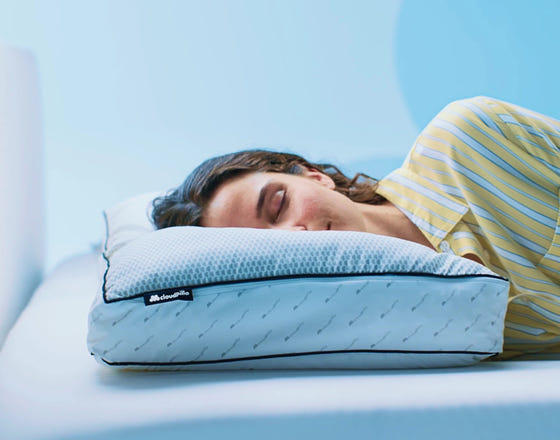
Pillows
Discover pillows that suit your body and preferences. Choose the adjustable pillow that suits you best.
View all pillowsFAQ about a snoring partner
How do you deal with a partner that snores?
Start with fast coping tools for your own sleep, like well-fitting earplugs, white noise and a better bedroom setup. Then tackle the cause together with simple tests such as side sleeping, reducing late alcohol and checking for nasal congestion. If the snoring is severe or comes with gasping or pauses, involve a GP.
Why does my partner's snoring make me angry?
Because broken sleep makes people irritable, less patient and more emotionally reactive. You are not just annoyed by noise. You are tired. That is why a calm daytime conversation works better than a late-night argument when you have both had a rough night.
Is it normal for my wife or husband to snore loudly?
Occasional snoring can be common, especially with a cold, allergies, alcohol or sleeping on the back. But loud, frequent snoring is worth paying attention to, particularly if it comes with breathing pauses, choking sounds or serious daytime tiredness. Common does not always mean harmless.
Do couples split up because of snoring?
Snoring itself is rarely the whole story. The bigger issue is chronic sleep loss, resentment and poor communication. Couples usually do better when they treat it as a shared sleep problem, not a personal attack. Sometimes temporary separate sleep actually protects the relationship while you work on solutions.
What are the best earplugs for sleeping with a loud snorer?
The best earplugs for sleeping with a loud snorer are the ones that fit your ears comfortably, seal well and stay in place through the night. For many people that means soft foam earplugs, but side sleepers sometimes prefer softer silicone styles. Comfort, seal and hygiene matter more than marketing language.
Can a white noise machine help with a snoring spouse?
Yes, it can help by masking the uneven sound peaks that wake you up. A white noise machine for a snoring spouse usually works best at a low, steady volume, especially when combined with earplugs. It will not stop the snoring, but it can make the noise far less disruptive.
You do not have to choose between your sleep and your relationship. Start with one practical change tonight, one honest conversation tomorrow and medical help if the snoring sounds more serious than "just annoying". Better sleep together is absolutely possible.


