

If you want to sleep better, do not wait until your head hits the pillow. The real work starts before that. A good bedtime routine helps your brain switch out of day mode, lowers stimulation and makes it easier to fall asleep without the nightly wrestling match.
The good news? You do not need a complicated wellness ritual. You need a few repeatable bedtime habits for good sleep that fit real life. Below, you will find a simple routine you can copy tonight, plus the key habits that make it work long term. For a broader foundation, see sleep hygiene tips.
Why the last hour of your day matters
Sleep is not an on-off button. Your body needs a short runway. If the final part of your evening is packed with bright screens, late snacks, work stress or mental overdrive, your brain does not suddenly become calm because the clock says bedtime. A healthy sleep routine creates the opposite effect. It gives your body clear signals that the day is ending.
That is why the best sleep routine is usually simple and consistent. When you repeat the same cues most nights, like dim lights, a warm shower, a few pages of a book or a quick brain dump, your brain starts linking those habits with sleep. Boring? Maybe. Effective? Very often, yes.
A simple 60-minute night routine you can copy tonight
If you want a night routine for better sleep without overthinking it, start here. Treat this as a flexible template, not a strict rulebook.
| Time before bed | What to do | Why it helps |
|---|---|---|
| 60 minutes | Stop work, bright screens and stimulating tasks | Reduces mental activation and late light exposure |
| 30 to 45 minutes | Dim the lights, wash up, take a warm shower or bath | Creates a clear transition into sleep mode |
| 15 to 30 minutes | Read, stretch, breathe slowly or write tomorrow's to-do list | Helps your mind slow down instead of speeding up |
| 0 to 10 minutes | Make the bedroom cool, dark and quiet, then get into bed when sleepy | Supports easier sleep onset and less frustration in bed |
Step 1: Start your wind-down before you feel exhausted
The best nighttime routine for sleep starts about an hour before bed. This is the moment to cut off stimulating stuff like emails, social media, gaming, intense shows and late problem-solving. Screens are especially sneaky because they keep your mind busy and expose you to bright light at the same time. If you need ideas for small changes, try reducing screen time before bed.
If you do only one thing tonight, make it this: create a clear stopping point. Your brain needs fewer inputs, not one more episode, one more scroll and one more message.
Step 2: Get the unfinished day out of your head
A lot of bedtime help comes down to one thing: reducing mental noise. If your brain starts planning tomorrow the second you lie down, do that planning earlier. Write a short to-do list. Note anything you are worried about. Turn vague stress into a next step. "Deal with bills" keeps your brain spinning. "Pay electricity bill at 9 am" gives it somewhere to land.
This is also a good time for a warm shower or bath, brushing your teeth, putting on comfortable sleepwear and choosing one calm activity. Reading, light stretching, slow breathing, meditation or quiet music can all work. Keep it easy. If it feels like a performance, you will not stick with it.
Step 3: Make the final minutes low effort
Your last few minutes before bed should be simple. Lower the lights a bit more. Put your phone out of reach. Set the room up so you are not fiddling with things once you are in bed. Then go to bed when you feel sleepy, not just because you decided that 10:30 sounds responsible. That small shift can stop your bed from becoming a place where you lie awake and get annoyed.
Habits that make a good sleep routine actually work
Keep your sleep and wake times steady
If your bedtime changes wildly every night, your routine has less chance to help. A more regular sleep window gives your body a clearer rhythm. Most adults need enough opportunity for around 7 to 9 hours of sleep, so work backwards from your usual wake-up time and aim for a realistic bedtime. Morning light helps stabilise your body clock; read morning sunlight for sleep rhythm.
You do not need perfect precision, but try to stay in roughly the same range on weekdays and weekends. A simple trick is to set an evening reminder for when your routine starts, not just a morning alarm for when it ends.
Watch what you eat, drink and do late in the evening
A better bedtime routine is not only about what you add. It is also about what you stop doing too late. Large meals close to bedtime can leave you uncomfortable. Alcohol may make you feel sleepy at first but can disrupt sleep later in the night. Caffeine and nicotine can keep your system more alert than you realise. Not sure when to cut it off? Read caffeine and sleep.
If you are hungry, go for a light snack instead of going to bed starving. If you enjoy tea, choose a non-caffeinated option. Intense exercise late in the evening can also keep some people too energised to settle quickly, so if that sounds familiar, move hard workouts earlier and keep late movement gentler.
Make your bedroom work with you
You can have the best evening routine for sleep, but if your room is too hot, too bright, too noisy or physically uncomfortable, sleep still gets harder. Start with the basics: keep the room cool, aim for ideal bedroom humidity for sleep, adjust your duvet for every season, reduce light, cut noise where possible and keep the space calm rather than cluttered.
If outside noise or a snoring partner is the issue, earplugs or steady background sound may help. If light is the problem, blackout curtains or an eye mask can make a bigger difference than people expect. Small fixes count.
Comfort matters too. If your pillow feels too high or too low, or too warm, you may keep shifting instead of settling. If your mattress or topper does not suit your body, your bedtime routine has to do extra work. Good sleep habits help, but a supportive and personalised sleep setup makes those habits easier to benefit from.
What to do if you still cannot fall asleep
Do not force it. Lying in bed getting more frustrated usually makes you more awake, not less. If you have been awake for around 20 minutes and feel properly alert, get out of bed and do something quiet in low light. Read a few pages, listen to calm audio or do slow breathing. Skip bright lights, housework and checking messages.
Go back to bed when you feel sleepy again. If this keeps happening, zoom out. Your bedtime may be too early for your natural sleepiness, your evenings may still be too stimulating or your sleep setup may not be right for you. If sleep problems persist for weeks or start affecting daily life, speak to a GP or qualified health professional. For step-by-step options when you are wide awake, see can’t fall asleep? what to do.
When your sleep setup is part of the problem
A good sleep routine cannot magically cancel out a pillow that feels wrong or bedding that traps heat. If you wake up with neck pain from your pillow, toss and turn for comfort or spend half the night flipping the pillow to find the cool side, your routine may not be the only issue.
That is where a more personalised setup can help. Adjustable pillows, breathable bedding and the right mattress or topper can make it easier for your body to settle and stay settled. Cloudpillo focuses on sleep products that adapt to different preferences, because better sleep is rarely one-size-fits-all.
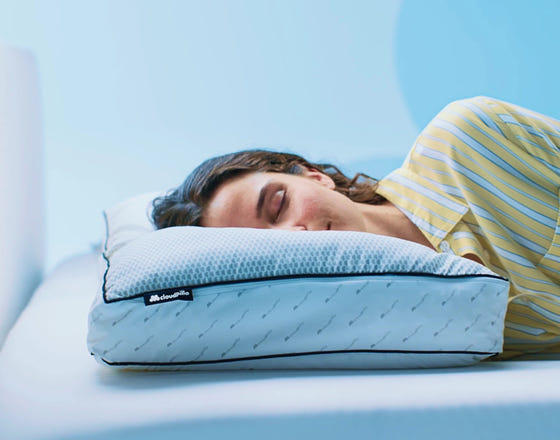
Pillows
Discover pillows that suit your body and preferences. Choose the adjustable pillow that suits you best.
View all pillowsFAQ about bedtime rituals for better sleep
What is the best bedtime routine for getting good sleep?
The best bedtime routine is the one you can repeat most nights. For most people, that means stopping stimulating tasks about an hour before bed, dimming the lights, avoiding late caffeine, offloading tomorrow's tasks and doing one calm activity before getting into a cool, dark and comfortable bedroom.
How long should a night time routine for better sleep be?
For most adults, 30 to 60 minutes works well. If your evenings are busy, even 15 to 20 minutes of consistent wind-down time can help. Regularity matters more than making it long.
What is the 5 4 3 2 1 rule for sleep?
It is a grounding technique for a racing mind. Notice 5 things you can see, 4 you can feel, 3 you can hear, 2 you can smell and 1 you can taste. It will not force sleep, but it can interrupt spiralling thoughts and help you relax.
What is the 3-3-3 rule for sleep?
There is no single clinical sleep rule called the 3-3-3 rule. Different versions exist online. The useful idea behind them is simple: create space between stimulation and bedtime, calm your mind and keep the final stretch of the evening predictable.
What is the Japanese trick to sleep?
There is no one proven Japanese sleep trick that works for everyone. Viral hacks sound exciting, but the basics usually win: a regular sleep schedule, a calmer last hour, less late stimulation and a bedroom that feels comfortable and cool.
What if I have a good sleep routine and still sleep badly?
Check the bigger picture. Room temperature, light, noise, pillow comfort, mattress support, alcohol, caffeine, stress, naps and late workouts can all interfere with sleep. If you have tightened up the basics and still sleep badly at night, get professional advice instead of collecting more internet hacks.
Want a better bedtime routine? Start with two changes, not ten. Earlier wind-down. Better bedroom setup. Repeat them until they feel automatic. That is how good sleep routines stop being good ideas and start becoming better nights.


